Lessons
Biography
Places
Names of Jobs
Should/Should not
Description of Fruits
Describing a Big Ben
Physical Appearance
Personal Pronouns and Possessive Adjectives
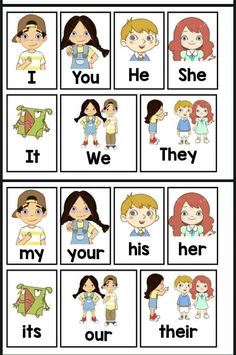
Personal Pronouns
- I: This is what you say when you’re talking about yourself. For example, “I am playing.”
- You: This is what you say when you’re talking to someone. For example, “Are you coming?”
- He: This is what you say when you’re talking about a boy or a man. For example, “He is running.”
- She: This is what you say when you’re talking about a girl or a woman. For example, “She is reading.”
- It: This is what you say when you’re talking about something that is not a person. For example, “It is raining.”
- We: This is what you say when you’re talking about a group that includes yourself. For example, “We are playing.”
- They: This is what you say when you’re talking about more than one person or thing. For example, “They are singing.”
Possessive Adjectives
Possessive adjectives show who owns or has something. They tell us who something belongs to. Here are some examples:
- My: This shows that something belongs to me. For example, “This is my book.”
- Your: This shows that something belongs to you. For example, “Is this your toy?”
- His: This shows that something belongs to him. For example, “That is his bike.”
- Her: This shows that something belongs to her. For example, “This is her cat.”
- Its: This shows that something belongs to it (used for animals or things, not people). For example, “The tree lost its leaves.”
- Our: This shows that something belongs to us. For example, “This is our house.”
- Their: This shows that something belongs to them. For example, “Those are their shoes.”
Courses
Sort By: